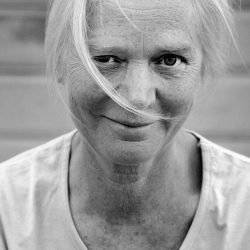
Ann Wolff is a sculptor who studied visual communication at the Hochschule für Gestaltung Ulm, a design school founded by Max Bill, a former Bauhaus student, and regarded as one of the most influential design institutions of the post-war period.
After graduating, she worked as a designer for Swedish glass companies Pukeberg (1960–1964) and Kosta Boda (1964–1977). In 1978, she established her own studio and began her career as a full-time artist, realizing an aspiration that had taken shape in her late twenties upon encountering the American studio glass movement.
“The studio glass movement in the United States entered my work in the mid-1960s. I was fascinated—even overwhelmed—by the freedom with which glass was handled. It revealed an immense curiosity about the potential and possibilities of this material.”
Before fully engaging with cast glass sculpture in the mid-1990s, Wolff explored a wide range of materials, including painting, stone, bronze, concrete, and glass. She also worked with charcoal, pastel, and watercolor, developing a sensitivity to color that later informed her glass works.
In the 1980s, she became known for sculptural figures featuring plate-like faces assembled with simplified bodily forms. While these works brought her recognition, they also became, as noted by glass scholar Dan Klein, “a kind of umbilical cord from which it was difficult to break away.”
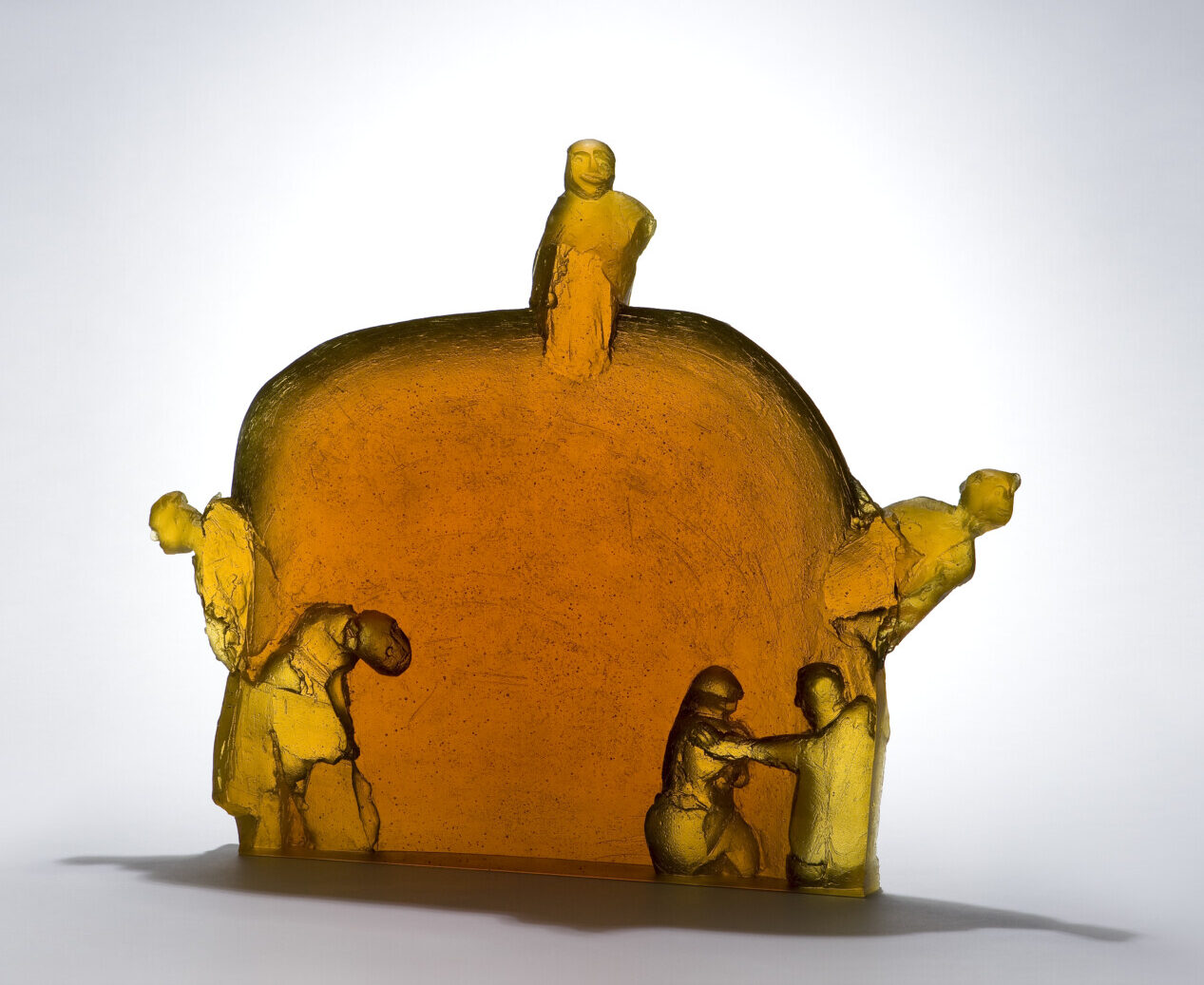
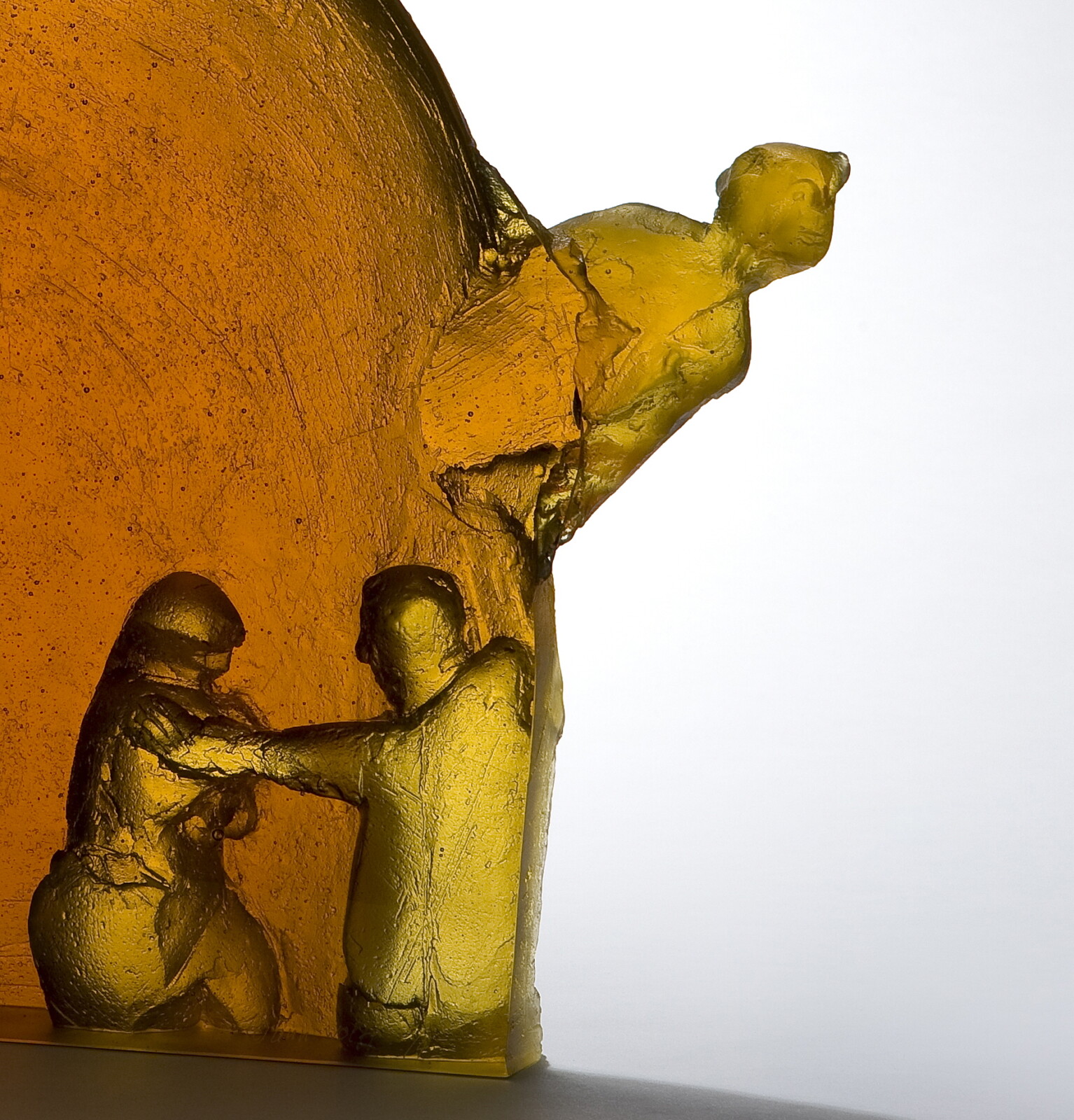
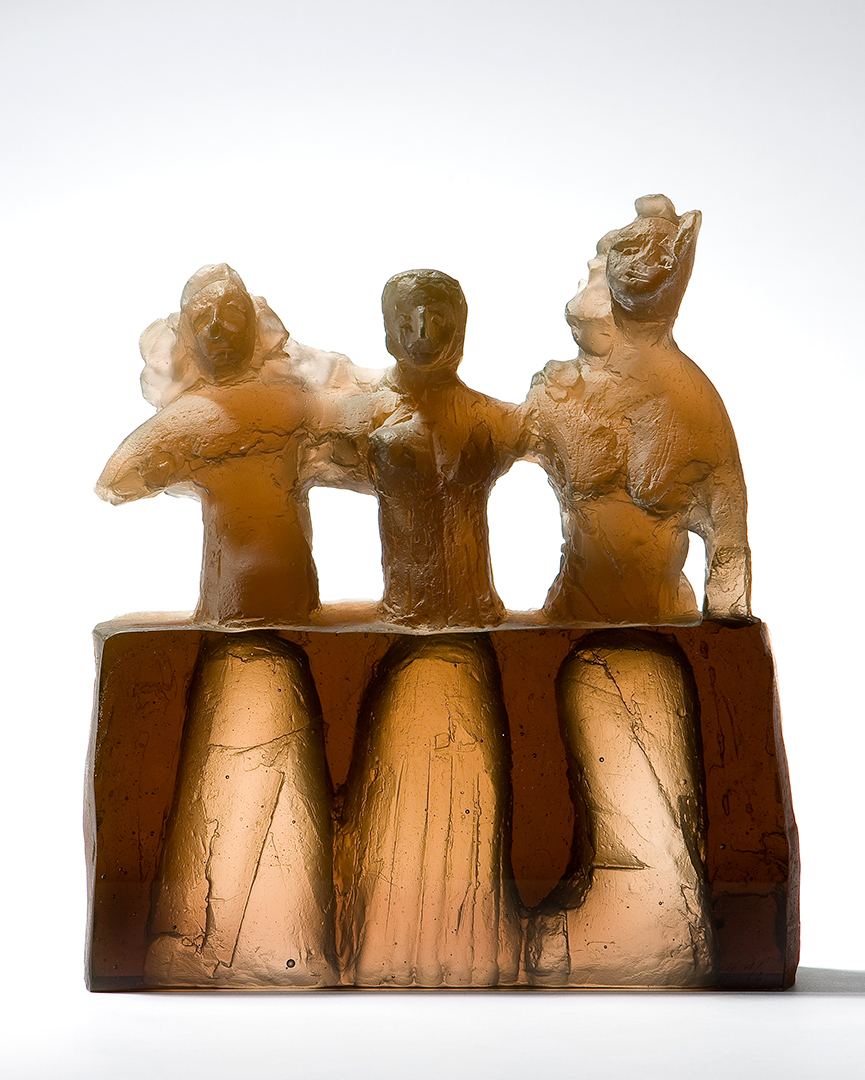
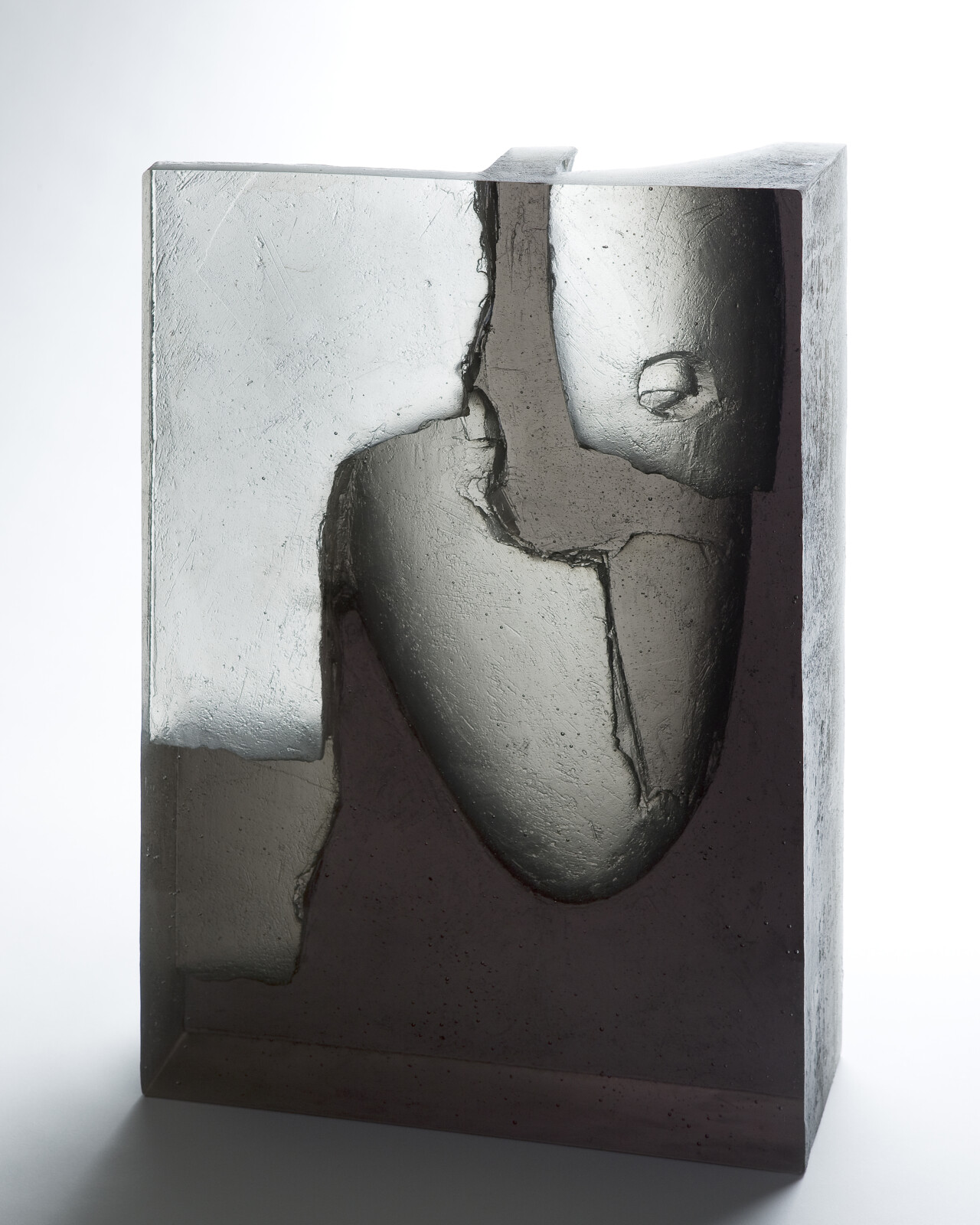
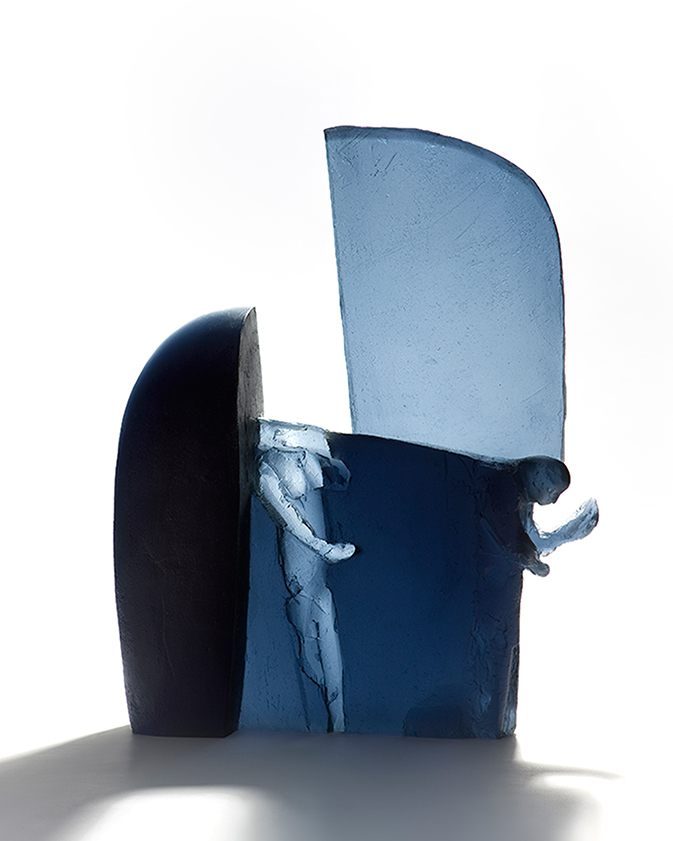
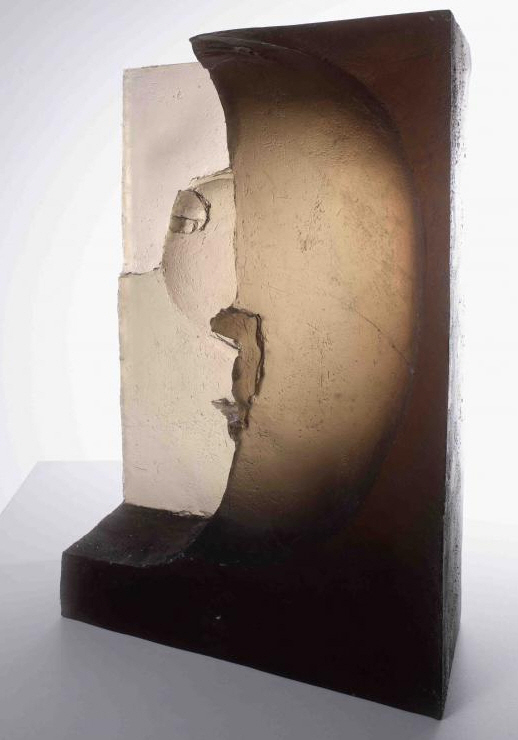
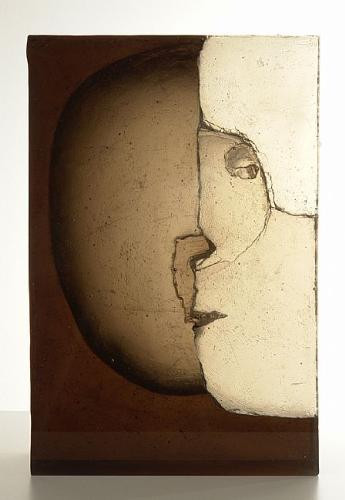
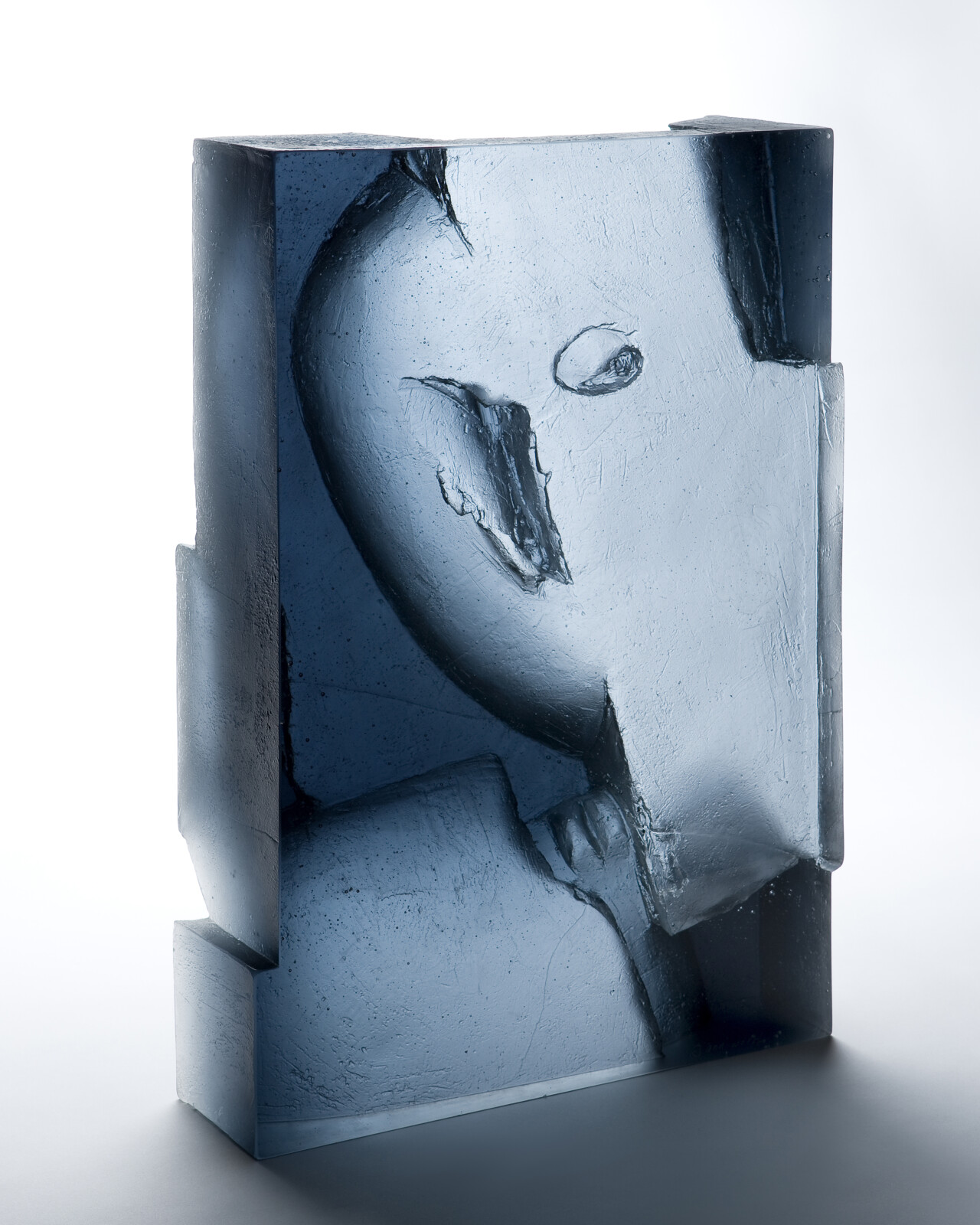
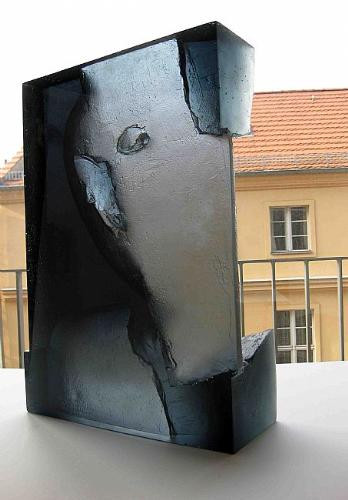
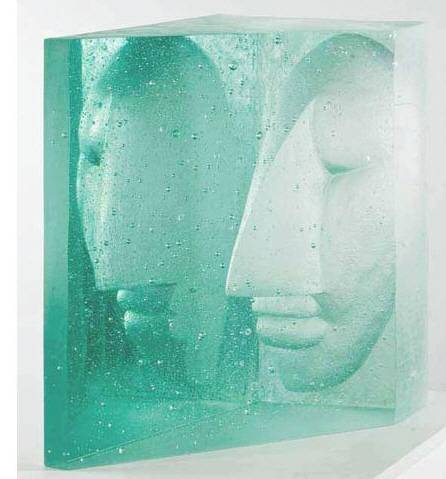
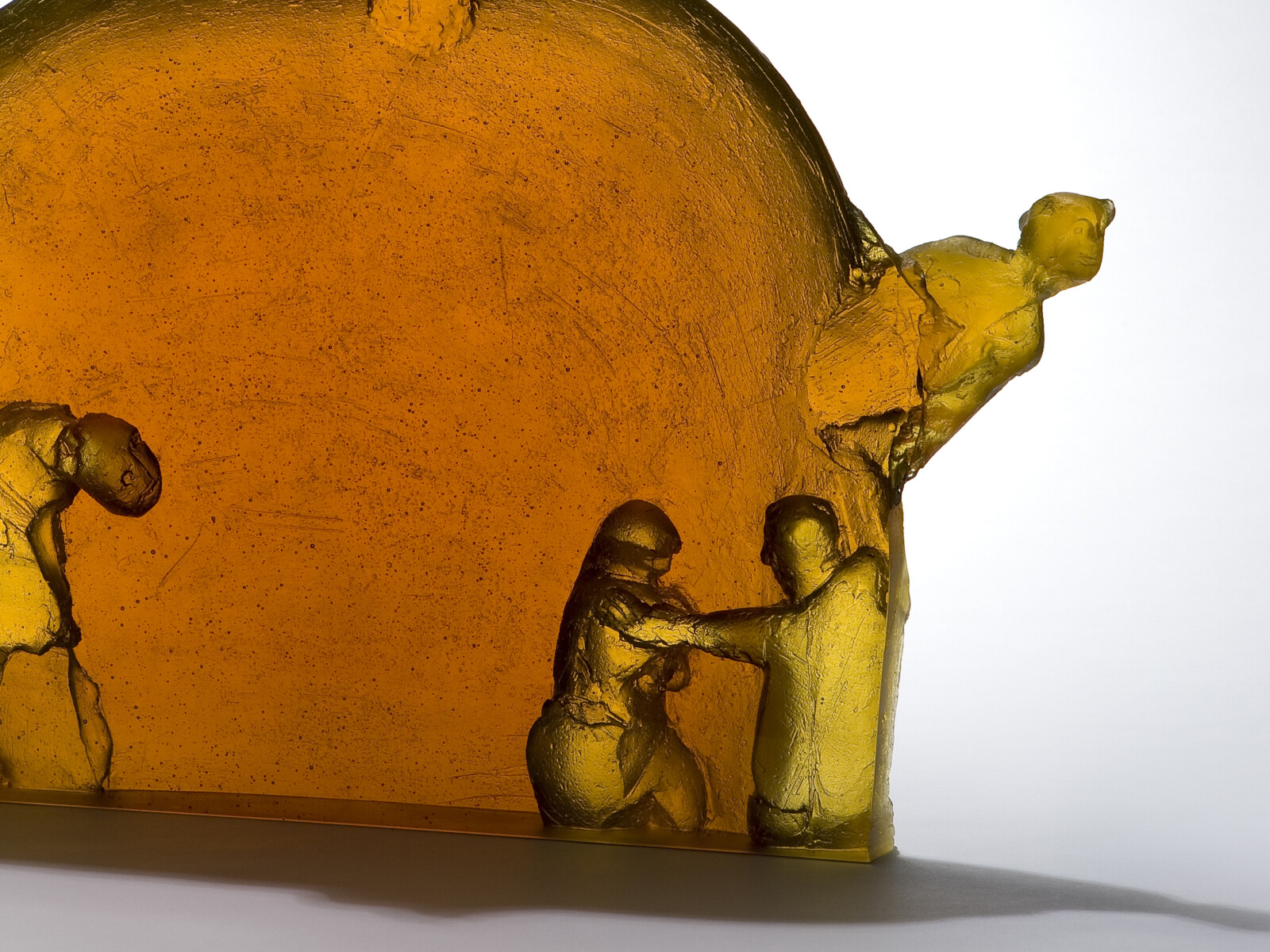
By the mid-1990s, Wolff moved beyond this earlier form and began producing cast glass sculptures that synthesized her previous explorations. While the motif of the face remained, it gained a far greater expressive depth. The color—reminiscent of watercolor washes—acquired a layered and elusive richness, and glass itself reemerged as a material of infinite potential.
Her cast glass series was prominently presented in Gallery Sklo’s 10th anniversary exhibition. The charcoal drawings developed for these works evoke Old Masters such as Leonardo da Vinci and Rembrandt, while the title Sepia references the brown ink historically used in drawing, functioning as an homage to art history.
Her works are held in major museum collections worldwide.
EDUCATION
2013 Studios in Kyllaj and in Visby / Gotland, Sweden
2008 Established the non-profit foundation AWC, Ann Wolff Collection, in Berlin
2005-08 The retrospective Observations, traveled to seven international venues
2000-13 Studios in Kyllaj, Gotland and in Berlin, Germany
1993-98 Professor in Design at the Hochschule fur Bildende Kunste, Hamburg, Germany
1985 Changing her name from Ann Warff to Ann Wolff
1977, 79, 84, 86, 95 Faculty member at Pilchuck Glass School, Seattle, WA, USA
1978-98 Workshops in Europe, USA and Japan
1978-2000 Studio in Transjo, Kosta, Sweden
1964-78 Designer at Kosta Boda, Kosta, Sweden
1960-64 Designer at Pukebergs Glasbruk, Sweden
1956-59 Education at Hochschule fur Gestaltung, Ulm, Germany
SOLO EXHIBITIONS
2015 Fabriken Furillen, Gotland, Sweden
Falkenberg Museum, Falkenberg, Sweden
2014 Alexander Tutsek Stiftung, Munchen, Germany
2013 Continuum Gallery, Konigswinter, Germany
Galleri KG52, Stockholm, Sweden
2012 Mim Art Gallery, Istanbul, Turkey
S:ta Maria Domkyrka, Visby, Sweden
Europaisches Glasmuseum, Coburg, Germany
2010 Litvak Gallery, Tel Aviv, Israel
Kulturforum Burgkloster zu Lubeck, Germany
2009 Galleri Landborg, Vickleby, Sweden
Vanersborgs Konstmuseum, Vanersborg, Sweden
2008 Leo Kaplan Modern, New York, NY, USA
Warmlands Museum, Karlstad, Sweden
2007 Landesmuseum, Schleswig, Germany
Minti Museum, Charlotte, NC, USA
2006 Rihimaki Glasmuseum, Rihimaki, Finland
Glashutte Gernheim, Petershagen, Germany
2005 National Glass Center, Sunderland, UK
Ebeltoft Glasmuseum, Ebeltoft, Denmark
2002 Habatat Galleries, Detroit, MI, USA
Kalmar Konstmuseum, Kalmar, Sweden
Galerie B, Sinzheim, Germany
2001 Landskrona Museum, Landskrona, Sweden
Noack Werkstattgalerie, Berlin, Germany
AWARDS
2013 Award of Excellence, Fort Wayne Museum and Meijer Sculpture, Grand Rapids MI, USA
2011 European Culture Prize, PRO EUROPA, Strasbourg, France